
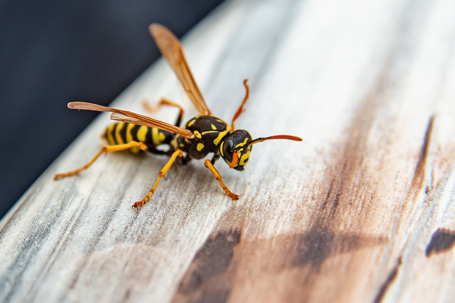
When Do Wasps Go Away in Texas?
If you're still seeing wasps around your North Texas home in the fall, you may be wondering: When do wasps finally go away?
Wasp activity in North Texas usually slows considerably once temperatures become consistently cooler in late fall, but there isn't one specific date or month when every wasp disappears. Worker wasps typically die as colder weather arrives, while fertilized queens can survive the winter in protected locations and emerge when temperatures warm again.
And because North Texas doesn't always stay cold, homeowners may still spot wasps on warm fall or winter days.
So if you're seeing wasps later in the year than you expected, that doesn't necessarily mean something unusual is happening.
Seeing a wasp nest around your home?
Don't put yourself in a situation where you could be stung trying to remove an active nest. If you're unsure what you're dealing with or whether a nest needs attention, contact Myles Pest Services and we'll help you determine the appropriate next step.
When Does Wasp Season End in Texas?
There isn't a firm end date for wasp season in Texas because wasp activity is influenced more by temperature and weather conditions than the calendar.
In North Texas, wasps are generally most active during the warmer months. Colonies grow throughout spring and summer, and activity can remain noticeable into fall.
As temperatures become consistently colder, worker activity declines and the colony eventually dies off. Fertilized queens are the exception. They can find protected places to spend the winter before emerging when warmer weather returns.
That means a few warm days can sometimes bring wasps back into view even after activity seemed to have stopped.
What Month Do Wasps Go Away in Texas?
If you're looking for a specific month, late fall is generally when North Texas homeowners can expect wasp activity to begin dropping significantly.
But weather matters.
A warm October or November can keep wasps active longer than homeowners might expect. North Texas also experiences plenty of temperature swings, so several cool days followed by a warm afternoon can result in occasional wasp sightings.
That's why it's more useful to watch the weather than to expect wasps to disappear on a particular date.
Once sustained colder temperatures arrive, you're likely to see much less activity.
Why Am I Still Seeing Wasps in the Fall?
Seeing wasps during a North Texas fall isn't unusual.
Colonies that developed throughout spring and summer can remain active as long as weather conditions allow. Warm daytime temperatures give workers opportunities to continue flying and foraging.
Fall can also make wasps seem more noticeable.
As the season changes and natural food sources shift, wasps may spend more time around places where people are eating or drinking outdoors.
You might notice them around:
- Patios and outdoor kitchens
- Trash and recycling containers
- Sweet drinks and food
- Flowering plants
- Eaves and rooflines
- Play structures and sheds
- Other areas where nests have been built
Seeing an occasional wasp doesn't necessarily mean there's a nest on your property. But repeated activity in the same location may be worth a closer look.
What Happens to Wasps During the Winter?
Most members of a social wasp colony don't survive the winter.
As temperatures fall, the existing colony declines. Worker wasps and the old queen eventually die.
Newly fertilized queens survive differently.
They seek protected locations where they can remain sheltered during cold weather. When warmer conditions return, surviving queens emerge and begin the process of establishing new colonies.
This is why wasp activity can return each spring even though the previous year's colony didn't remain active all winter.
Where Do Wasps Go During the Winter?
Overwintering queens look for protected places where they're less exposed to cold weather.
Depending on the species and conditions, those locations can include sheltered cracks, crevices, tree bark, structures, and other protected spaces like inside your chimney.
That doesn't mean every wasp you see disappearing into a crack in your home is necessarily overwintering there. But sheltered areas around homes can provide protection from the weather.
If you're seeing insects inside as temperatures change, our guide to common winter pests in Texas can help explain some of the other pest activity North Texas homeowners may notice during cooler weather.
Can Wasps Come Out on Warm Winter Days?
Yes. North Texas winters can include stretches of mild or unusually warm weather, and insects may become active when temperatures rise.
That's one reason a wasp sighting in December or January doesn't necessarily mean you have a large, active colony operating the way it would during summer.
Weather conditions can temporarily bring insects out of protected areas.
If you're seeing repeated activity in the same area, however, it's worth paying attention to where the wasps are coming from and going.
Should You Remove a Wasp Nest in the Fall?
It depends on the nest, its location, and whether it's still active.
An active nest near a doorway, patio, play area, walkway, or another frequently used part of the property can present a sting risk.
A nest high in a tree or far away from normal activity may be a different situation.
The most important thing is not to put yourself unnecessarily close to an active nest. Wasps may defend the area around their nest, and trying to knock one down or spray it at close range can increase your chance of being stung.
If you're unsure whether a nest is active or whether it needs to be removed, professional identification can help you decide what makes sense.
Already a Myles recurring pest control customer?
During your regularly scheduled general pest service, your technician will inspect the exterior and knock down visible wasp nests within 20 feet. Because wasps are flying pests and can return to a property at any time, wasp activity isn't covered by our re-treat warranty.
If you need help with wasps between scheduled visits, contact us and we can discuss your options.
How Can You Reduce Wasp Activity Around Your Home?
You can't prevent a flying wasp from entering your property, but you can make some areas around your home less attractive or easier to monitor.
Keep Food and Drinks Covered
Wasps may be attracted to food and sugary drinks, especially around patios, outdoor dining areas, and gatherings.
Keep Trash Containers Closed
Secure lids on outdoor trash and recycling containers and clean up spills or food residue around them.
Watch for Early Nest Building
During warmer months, periodically look around eaves, porch ceilings, sheds, play structures, and other protected locations where nests may appear.
A small nest noticed early is easier to address than one discovered after a colony has grown.
Pay Attention to Repeated Activity
If you continually see wasps traveling to and from the same spot, that can indicate a nearby nest even if you can't immediately see it.
Be Careful Around Active Nests
Don't stand directly beneath or beside an active nest to investigate it. If the nest is in a difficult location or you're concerned about being stung, it's safer to ask for help.
Why Can't Wasp Activity Be Guaranteed?
Wasps are flying pests.
Even if a visible nest is removed from your home today, another wasp can fly onto the property tomorrow and begin activity somewhere else.
That's different from treating many crawling pests that live or travel through specific areas of a structure.
For that reason, wasps aren't included in the re-treat warranty for Myles' recurring general pest service.
We'd rather be clear about that limitation than promise homeowners that a treatment can prevent wasps from ever returning to the property.
What If Wasps Are a Regular Problem Around Your Outdoor Spaces?
If wasps are just one of several pests making it harder to enjoy your yard, patio, or other outdoor spaces, our Outdoor Living Program may be worth considering.
The program covers:
- Mosquitoes
- Fire ants
- Fleas and ticks
- Chiggers
- Visible wasp nests
- Armyworms and webworms
It's designed for homeowners who want broader pest management around the areas where their families spend time outdoors rather than a service focused on one individual pest.
Myles also performs mosquito treatments monthly from April through October. That regular service schedule means a technician is on the property more frequently during the months when many outdoor pests are active, providing additional opportunities to inspect the exterior and knock down visible wasp nests when appropriate.
Ask Myles About the Outdoor Living Program
When Should You Call Myles About Wasps?
An occasional wasp flying through your yard usually isn't a reason to panic.
It's more worth investigating when:
- You've found an active nest near an area your family regularly uses
- Wasps are repeatedly entering or exiting the same location
- A nest is near a doorway, patio, play area, or walkway
- The nest is difficult or unsafe for you to reach
- Someone around the property is particularly concerned about being stung
- You're experiencing recurring outdoor pest activity and want to discuss broader options
The goal isn't to convince you that every wasp needs treatment. It's to help you understand what you're seeing and determine whether anything needs to be done.
Related Articles
- The Most Common Winter Pests in Texas
- Protecting Your Home From Winter Pests in North Texas
- Why Are Mosquitoes Worse After Rain?
- General Pest Control
Frequently Asked Questions About Wasp Season in Texas
When do wasps go away in Texas?
Wasp activity in Texas typically decreases as temperatures become consistently colder in late fall. There isn't one exact date when wasps disappear because activity depends heavily on weather. North Texas warm spells can sometimes result in wasp sightings even after colder weather has arrived.
What month do wasps go away?
There isn't a specific month when all wasps go away. In North Texas, activity generally declines during late fall as sustained colder temperatures arrive. During a warm October or November, wasps may remain active longer than homeowners expect.
When does wasp season end in Texas?
Wasp season generally winds down in late fall as temperatures cool, although Texas weather can extend activity. Most workers in social wasp colonies eventually die as cold weather arrives, while fertilized queens seek protected places to survive the winter.
Do wasps die in the winter?
Most workers and the old queen in a social wasp colony die as cold weather arrives. Newly fertilized queens can survive winter in protected locations and emerge when warmer weather returns to establish new colonies.
Why am I seeing wasps in the fall?
Warm North Texas fall weather can allow wasps to remain active later in the year. Colonies established during spring and summer may continue foraging while temperatures remain favorable, which is why seeing wasps in October or even November isn't necessarily unusual.
Can wasps come out during the winter in Texas?
Yes. Warm winter days can sometimes result in insect activity, including occasional wasp sightings. North Texas temperatures fluctuate considerably, so seeing a wasp on a mild winter afternoon doesn't necessarily mean a full colony is active nearby.
Will removing a wasp nest keep wasps from coming back?
Not necessarily. Wasps are flying pests, so removing one nest can't prevent another wasp from entering the property or building somewhere else later. That's why Myles doesn't warranty wasp activity under our recurring general pest service.
Still Seeing Wasps Around Your North Texas Home?
If you've found an active wasp nest or you're seeing repeated activity around your home, Myles Pest Services can help you determine what you're dealing with and what your options are.
For recurring general pest customers, technicians can knock down wasp nests within 20 feet during scheduled visits, although wasp activity isn't covered by our re-treat warranty. For homeowners looking for broader outdoor pest protection, our Outdoor Living Program includes visible wasp nests along with mosquitoes, fire ants, fleas and ticks, chiggers, armyworms, and webworms.
We'll help you understand the options rather than promise that a flying pest can never return to your property.