
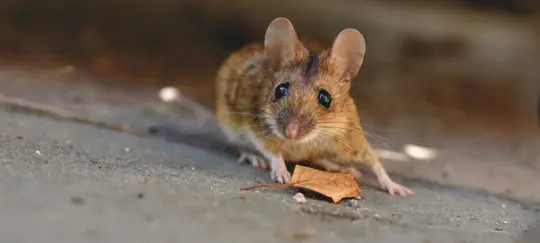
Rodents are one of the most persistent pest concerns homeowners face, and winter often brings their activity into sharper focus. While many people assume pests slow down when temperatures drop, rodents behave differently. In mild Texas winters, mice and rats remain active — and homes become even more appealing as outdoor conditions fluctuate.
For homeowners in Southlake, Westlake, and Trophy Club, January is a common time to notice scratching sounds, droppings in garages, or signs of disturbance in storage areas. These moments can feel sudden, but rodent pressure usually builds quietly over time.
This guide explains what’s really driving rodent activity, how behavior changes throughout the year, what homeowners often overlook, and how a prevention-focused approach helps reduce ongoing issues — not just seasonal surprises.
What’s Actually Going On
Rodents are highly adaptable. Their survival depends on three things: shelter, food, and protection from the elements. When outdoor conditions become inconsistent, they move closer to structures that reliably provide those needs.
In North Texas, winter rarely means long stretches of freezing weather. Instead, cold snaps are often followed by warmer days. This pattern keeps rodents active rather than dormant.
As winter sets in, rodents:
- Spend less time foraging in open areas
- Seek stable nesting sites protected from temperature swings
- Follow edges, fences, and foundations when scouting
Homes offer ideal conditions. Attics provide warmth. Garages offer quiet shelter. Wall voids stay dry and protected. Even small gaps around utility lines or foundation transitions can be enough for access.
This is why rodent activity often shows up in winter as:
- Noises at night
- Droppings in garages, pantries, or storage rooms
- Chewed cardboard, insulation, or packaging
These signs usually reflect exploration or early nesting — not necessarily a severe infestation — but they do indicate pressure that shouldn’t be ignored.
Common Rodents Homeowners Encounter
Most residential rodent activity falls into a few common categories. Identification helps guide prevention, but homeowners don’t need to know exact species to take meaningful steps.
Mice
Mice are small, curious, and able to squeeze through very tight openings. They’re often responsible for droppings in pantries, cabinets, or garages and may nest inside walls or stored boxes.
Rats
Rats are larger and more cautious. They’re often associated with attic activity, roofline access points, or exterior harborage near foundations, fences, or sheds.
Both mice and rats are opportunistic. They don’t need poor conditions to move in — only access and consistency.
How Rodent Pressure Changes Throughout the Year
Rodent activity isn’t limited to one season. It shifts based on weather, food availability, and surrounding conditions.
- Winter: Rodents prioritize warmth and shelter, increasing indoor pressure.
- Spring: Breeding activity increases as temperatures stabilize.
- Summer: Outdoor food sources expand, but heat can push rodents into shaded structures.
- Fall: Rodents begin scouting shelter ahead of cooler weather.
This year-round cycle is why rodent control works best as an ongoing, preventative process rather than a reaction to sightings.
What Homeowners Often Miss
Rodent issues rarely stem from one obvious cause. More often, they’re the result of several small factors adding up over time.
Common things homeowners overlook include:
- Tiny gaps around pipes, vents, or siding
- Landscaping or storage placed close to the foundation
- Pet food or bird seed stored in garages
- Assuming activity will stop on its own
It’s also common to underestimate how quietly rodents operate. By the time activity becomes noticeable, rodents may have already established patterns around the home.
What Helps vs. What Usually Doesn’t
What Helps
- Exterior-focused inspections: Finding and addressing access points around the structure is one of the most effective steps.
- Reducing exterior attractants: Securing food sources and managing clutter near the home lowers pressure.
- Limiting harborage: Keeping vegetation, woodpiles, and stored items away from the foundation removes cover.
- Consistent preventative service: Routine monitoring helps catch changes early, before activity escalates.
What Usually Doesn’t
- Relying on traps alone: Traps may remove individual rodents but don’t prevent new ones from entering.
- Interior-only treatments: Without exterior prevention, activity often returns.
- Short-term DIY deterrents: Many provide limited or inconsistent results.
- Waiting for repeated sightings: Delaying action often leads to more established activity.
Rodent control is most effective when it focuses on access and conditions, not just removal.
How Myles Pest Services Approaches This
At Myles Pest Services, rodent control starts with prevention and inspection.
We take an exterior-first approach, focusing on where rodents are interacting with the structure and why. Treatments are based on observed conditions, not assumptions.
Our process includes:
- A detailed inspection of exterior pressure points
- Preventative treatments designed to reduce rodent activity around the home
- Rodent Maintenance service every four months for ongoing pressure reduction
- Interior treatments only when activity or conditions call for it
- Free re-treats between scheduled services if activity resurfaces
We do not offer monthly services, and we do not make guarantees. Rodent behavior is influenced by weather, construction, and environmental changes. Our goal is steady, proactive control that reduces surprises over time.
When It Makes Sense to Call a Professional
Not every sign of rodent activity requires immediate service, but a professional assessment can provide clarity.
It often makes sense to call when:
- Droppings reappear after cleanup
- Noises persist over time
- Activity is noticed in multiple areas
- You’re unsure how rodents are getting in
Early assessment is usually about prevention, not urgency. Addressing pressure before nesting becomes established often leads to better outcomes.
Frequently Asked Questions
Do rodents really stay active in winter?
Yes. Mild winters allow rodents to remain active, especially near homes.
Does rodent activity mean my home is poorly maintained?
No. Even well-maintained homes can provide shelter rodents seek.
Are rodents dangerous to my home?
Rodents can damage insulation, wiring, and stored items if activity continues.
Is rodent control a one-time service?
Rodent control works best as an ongoing, preventative process.
Should garage activity be taken seriously?
Garages are common entry points and often a staging area before rodents move deeper into the home.
Final Thoughts
Rodents are a year-round concern, but winter often makes their presence more noticeable. Understanding behavior and focusing on exterior prevention helps homeowners reduce unexpected activity and maintain long-term control.
For homes in Southlake, Westlake, and Trophy Club, a calm, proactive approach is often the most effective way to manage rodent pressure throughout the year.