
Termites are a common concern for homeowners in North Texas, especially as spring approaches and activity becomes more noticeable.
Warm temperatures, seasonal moisture, and soil conditions create an environment where termite colonies can remain active for much of the year. While termites are a natural part of the environment, understanding how they behave—and how to prevent activity around your home—can help reduce the risk of long-term damage.
This guide covers how termites operate, what signs to look for, and how termite control is approached in North Texas homes.
Why Termites Are Common in North Texas
Termite activity in this region is largely driven by environmental conditions.
In areas like Flower Mound, Highland Village, and surrounding communities, termite activity is influenced by:
- Warm temperatures that extend activity throughout the year
- Seasonal rain that increases soil moisture
- Soil conditions that support subterranean termite colonies
Because subterranean termites live in the soil, these conditions allow colonies to remain active and expand over time.
This is why termite activity is often more consistent in North Texas compared to cooler regions.
What Termites Are Actually Doing Around Your Home
Most termite activity starts below ground and moves toward the structure.
Subterranean termites build mud tubes to travel between the soil and wood while staying protected from light and dry air.
They are typically looking for:
- Moisture
- Wood or cellulose materials
- Stable conditions near the structure
Much of this activity happens out of sight, which is why termites are often present before homeowners notice visible signs.
Signs of Termite Activity
While termites are usually hidden, there are several signs that may indicate activity:
- Mud tubes along the foundation or walls
- Discarded wings near windows or doorways
- Blistered or uneven wood surfaces
- Doors or windows that suddenly become difficult to open
Seeing these signs does not always mean there is active damage inside the home, but they are worth evaluating.
Understanding Termite Swarms
Termite swarms are one of the most noticeable signs of activity.
A swarm occurs when winged reproductive termites leave an existing colony to establish a new one. This typically happens in spring when temperature and moisture conditions are right.
Termite swarmers are often confused with flying ants. Key differences include:
- Equal-length wings (termites) vs uneven wings (ants)
- Straight body vs pinched waist
- Piles of discarded wings after swarming
Seeing swarmers indoors can indicate a nearby colony, but it does not always mean termites are actively feeding inside the structure.
What Attracts Termites to a Home
Termites are drawn to conditions that support moisture and access to wood.
Common contributing factors include:
- Wood-to-soil contact
- Excess moisture near the foundation
- Poor drainage or irrigation issues
- Mulch or landscaping placed too close to siding
- Cracks or gaps that allow access
Managing these conditions can help reduce the likelihood of termite activity over time.
What Homeowners Often Miss
Termites Are Usually Active Before You See Them
Most termite activity occurs behind walls or below the surface.
Moisture Is a Major Factor
Even small changes in moisture around the home can make conditions more favorable.
Activity Starts Outside
Termites originate in the soil. Interior signs are usually the result of exterior conditions.
One-Time Treatments Are Not a Long-Term Strategy
Termite control typically requires monitoring and ongoing management.
What Helps vs. What Usually Doesn’t
What Helps
- Reducing moisture around the structure
- Maintaining a gap between mulch and siding
- Monitoring the foundation for mud tubes
- Scheduling periodic termite inspections
What Usually Doesn’t
- Waiting for visible damage
- Ignoring early signs like swarmers
- Treating only visible areas
- Assuming termites will go away on their own
How Myles Pest Services Approaches Termite Control
At Myles Pest Services, termite control focuses on long-term prevention and monitoring.
Our approach includes:
- Inspecting the property for signs of activity and conducive conditions
- Identifying areas where termites may enter or thrive
- Recommending treatment based on the specific situation
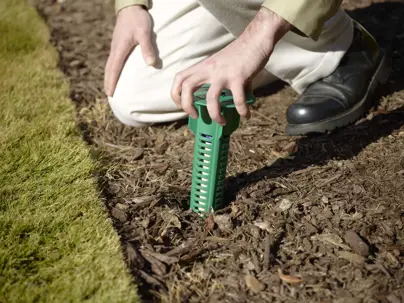
For ongoing protection, we install the Sentricon® termite baiting system, which is designed to:
- Monitor termite activity around the home
- Target termite colonies at the source
- Provide continuous protection over time
This approach allows for effective termite management without disruptive treatments.
When It Makes Sense to Call a Professional
It may be helpful to schedule a termite inspection if:
- You see termite swarmers indoors
- Mud tubes are visible along the foundation or fence line
- You notice changes in wood or structure
- You want to evaluate conditions before peak termite season
An inspection can help determine whether activity is present and what steps, if any, are needed.
Frequently Asked Questions
Are termites a problem in North Texas?
Termites are common in this region due to favorable environmental conditions, though not every home will experience activity.
Do flying termites mean I have termites?
Not always. Swarmers indicate a colony nearby but not necessarily active damage inside.
What is the best way to prevent termites?
Prevention typically focuses on moisture control, reducing access points, and ongoing monitoring.
How does Sentricon work?
Sentricon uses bait stations placed around the home to monitor and manage termite colonies over time.
When is termite season?
Activity typically increases in spring and early summer, especially after rain.
Final Thoughts
Termites are a natural part of the North Texas environment, and conditions in this region allow them to remain active for much of the year.
Understanding how termites behave and what conditions support them can help homeowners take a more proactive approach to prevention.
Focusing on early detection and consistent monitoring is often the most effective way to manage termite activity over time.
Don't let pests ruin your fresh start this season. Contact us today for a professional inspection or call our friendly team at (817) 402-2852 to get your home protected.