
Seeing flying insects inside your home can be unsettling—especially when they look like termites.
Many homeowners notice these winged insects near windows, doors, or light sources and immediately wonder:
Do flying termites mean I have a problem?
The short answer is not always—but they can be a sign of termite activity nearby.
Understanding what flying termites are, why they appear, and what they actually indicate can help you respond appropriately without unnecessary concern.
What Flying Termites Actually Are
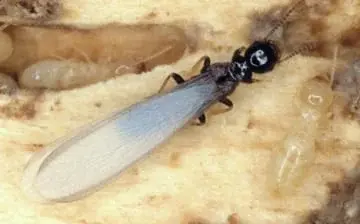
Flying termites, often called swarmers, are reproductive members of a termite colony.
Their role is to:
- Leave an existing colony
- Find a mate
- Start a new colony nearby
This typically happens during spring and early summer, when temperature and moisture conditions are favorable.
Because of this, swarmers are often the first visible sign homeowners notice.
Why You’re Seeing Them
Termite swarms are triggered by environmental conditions, not random activity.
In North Texas, this usually includes:
- Warm soil temperatures
- Increased moisture from rain or irrigation
- Calm, humid conditions
When these factors align, termite colonies release swarmers—sometimes all at once.
This is why homeowners often notice them suddenly, even if nothing seemed unusual before.
Do Flying Termites Mean You Have Termites?
This is the most important question.
The answer depends on where you see them.
If You See Them Outside
This is very common.
It usually means:
- A colony is present in the area
- Termites are part of the local environment
This does NOT necessarily mean your home is affected
If You See Them Inside
This is worth paying closer attention to.
It can mean:
- A colony is nearby
- Termites may be trying to establish themselves in or around the structure
However, it still does not automatically mean there is structural damage
Why Flying Termites Are Often Misunderstood
They Don’t Cause Damage Themselves
Swarmers are not the termites that damage wood.
They are simply part of the colony’s reproduction process.
They Appear Suddenly
Because swarms happen quickly, it can feel like a sudden problem—even though activity has likely been developing over time.
They’re Often Confused With Flying Ants
This is very common.
Key differences include:
- Termites have equal-length wings
- Ants have uneven wings
- Termites have a straight body
- Ants have a pinched waist
What Homeowners Often Miss
Termite Activity Starts Before You See It
Swarmers are often the first visible sign, but colonies typically exist beforehand.
Most Activity Happens Out of Sight
Termites live in the soil or inside structures, which makes them difficult to detect early.
Spring Is When Activity Becomes Noticeable
In many cases, homeowners notice termites during swarm season—but conditions have already been present.
What Helps vs. What Usually Doesn’t
What Helps
- Monitoring for signs like mud tubes or discarded wings
- Checking areas around windows and light sources after swarms
- Scheduling an inspection if activity is seen indoors
- Maintaining conditions that reduce moisture near the home
What Usually Doesn’t
- Treating only the insects you see
- Assuming swarmers mean immediate damage
- Ignoring signs after a swarm occurs
- Waiting until more obvious issues appear
How Myles Pest Services Approaches Termite Activity
At Myles Pest Services, termite control focuses on monitoring and prevention rather than reacting to isolated sightings.
Our approach includes:
- Inspecting the property for signs of termite activity
- Identifying conditions that may support termite presence
- Recommending appropriate treatment based on findings
For long-term protection, we install the Sentricon® termite baiting system, which is designed to:
- Monitor termite activity around the structure
- Target colonies over time
- Provide continuous protection without disruption
This approach focuses on managing termite activity before it becomes a larger concern.
When It Makes Sense to Call a Professional
It may be helpful to schedule an inspection if:
- You see flying termites indoors
- You find piles of discarded wings
- You notice mud tubes along the foundation or fence line
- You're unsure whether what you're seeing are termites or ants
In many cases, an inspection provides clarity and helps determine whether action is needed.
Frequently Asked Questions
Do flying termites mean my house has termites?
Not always. They indicate termite activity nearby, but not necessarily inside your home.
Are flying termites dangerous?
They do not cause damage themselves, but they can signal the presence of a nearby colony.
What time of year do termites swarm?
Typically in spring and early summer, especially after rain and warm weather.
Should I be worried if I see them?
It depends on where they are found. Indoor sightings are worth evaluating.
What should I do if I see flying termites?
Note where they were seen and consider scheduling an inspection if activity is indoors or recurring.
Final Thoughts
Flying termites are a natural part of termite activity, especially during spring.
While they can be concerning to see, they don’t always indicate a serious problem. In many cases, they are simply a sign that termite activity exists nearby.
Understanding what they mean—and when to take action—can help homeowners respond appropriately without unnecessary concern.
If you’ve seen flying termites and aren’t sure what they mean, a quick inspection can help provide clarity. Give us a call at 817-577-0328 or contact us online at www.MylesPest.com.