
Termites are a common concern for homeowners, especially in Texas where environmental conditions support year-round activity.
So, are termites actually a problem in Texas?
In short, they can be. The combination of warm temperatures, seasonal moisture, and soil conditions creates an environment where termite colonies can remain active for much of the year.
That doesn’t mean every home will experience a problem, but it does mean conditions are favorable for termite activity, especially as spring approaches.
Understanding how termites behave — and what signs to look for — can help homeowners respond early and avoid unnecessary concern.
What’s Actually Going On
Termites live primarily in the soil and move toward structures in search of wood and moisture.
In this area, subterranean termites are the most common. They build mud tubes to travel between the soil and the structure while staying protected from dry air and light.
Activity tends to increase when:
- Soil temperatures begin to warm
- Moisture levels rise from rain or irrigation
- Colonies begin preparing for swarm season
Because most termite activity happens out of sight, it’s common for them to be present before homeowners notice any visible signs.
Why Termites Are Common in Texas
In Texas, termite activity is influenced by a few key environmental factors:
- Warm temperatures that extend activity throughout much of the year
- Seasonal rain that increases soil moisture
- Soil conditions that support subterranean termite colonies
Because subterranean termites live in the soil, these conditions allow colonies to remain active and expand over time.
This is why termite activity is often more consistent in Texas compared to cooler regions.
What Homeowners Often Miss
Termites Are Usually Hidden
Most activity occurs behind walls, under flooring, or inside wooden structures. By the time visible signs appear, termites may have already been active for some time.
Swarmers Don’t Always Mean an Active Infestation
Seeing winged termites — often called swarmers — can be concerning. While they indicate a colony is nearby, they do not always mean termites are actively feeding inside your home.
Moisture Drives Activity
Termites are drawn to moisture. Conditions like poor drainage, plumbing leaks, or wood-to-soil contact can make a structure more favorable.
Early Signs Are Easy to Overlook
Small changes, like doors becoming harder to close or wood sounding hollow, are often dismissed but can be worth paying attention to.
Common Signs of Termite Activity
While termites are often hidden, there are several signs homeowners can look for:
- Mud tubes along foundations or exterior walls
- Discarded wings near windows, doors, or light sources
- Wood that sounds hollow when tapped
- Blistered or uneven wood surfaces
- Tight-fitting doors or windows with another clear cause
These signs don’t always confirm active damage, but they are worth evaluating.
What Helps vs. What Usually Doesn’t
What Helps
- Checking the foundation regularly for mud tubes
- Keeping mulch and soil below siding
- Managing moisture around the structure
- Scheduling a termite inspection when something seems off
What Usually Doesn’t
- Waiting until damage become visible
- Assuming all flying insects are termites
- Ignoring small signs because they seem minor
- Relying on one-time solutions without ongoing monitoring
Addressing conditions early is typically more effective than reacting later.
How Myles Pest Services Approaches Termite Control
At Myles Pest Services, termite control starts with understanding what’s happening around the structure.
Our approach includes:
- Inspecting for signs of termite activity and conducive conditions
- Identifying areas where termites may enter or thrive
- Recommending treatment based on the specific situation
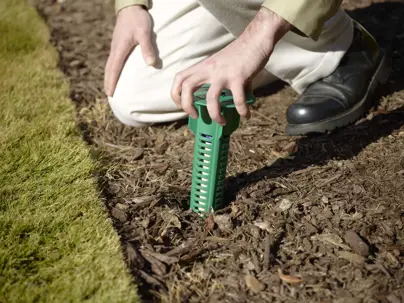
For ongoing protection, we install systems like the Sentricon® termite baiting system, which is designed to monitor and manage termite activity over time.
This approach focuses on prevention and long-term management rather than reactive treatments.
When It Makes Sense to Call a Professional
It may be helpful to schedule a termite inspection if:
- You see termite swarmers indoors
- Mud tubes are visible along the foundation
- You notice repeated or unusual changes in wood
- You want to evaluate your home before peak termite season
An inspection can help determine whether activity is present and what steps, if any, are needed.
Frequently Asked Questions
Do flying termites mean I have termites in my home?
Not always. Swarmers indicate a colony is nearby, but they do not necessarily mean termites are actively feeding inside your home.
What attracts termites to a house?
Moisture, wood-to-soil contact, and structural conditions can make a property more favorable for termites.
When is termite season?
Termite activity typically increases in spring and early summer as temperatures and moisture levels rise.
What is a termite inspection?
A termite inspection involves evaluating the home for signs of activity, entry points, and conditions that may support termites.
Can termites be eliminated permanently?
Termites can be managed effectively, but ongoing monitoring is important since conditions can change over time.
Final Thoughts
Termites are a natural part of the environment in Texas, and conditions here allow them to remain active for much of the year.
While not every home will experience a problem, the combination of temperature, moisture, and soil conditions makes termite activity more common than many homeowners expect.
Understanding what to look for — and evaluating conditions early — can help reduce the likelihood of larger issues over time.
If you’re wondering how termite activity may impact your home, a professional inspection can help you stay ahead of potential issues. Call 817-577-0328 or contact us online at www.MylesPest.com.